
How Auten Learns: Screen Graphs and Plan Replay
Auten gets faster and cheaper the more you use it. A deep dive into the screen-graph and plan-replay system that turns repeat tasks into instant, free replays — and keeps up as apps change.
Auten Team
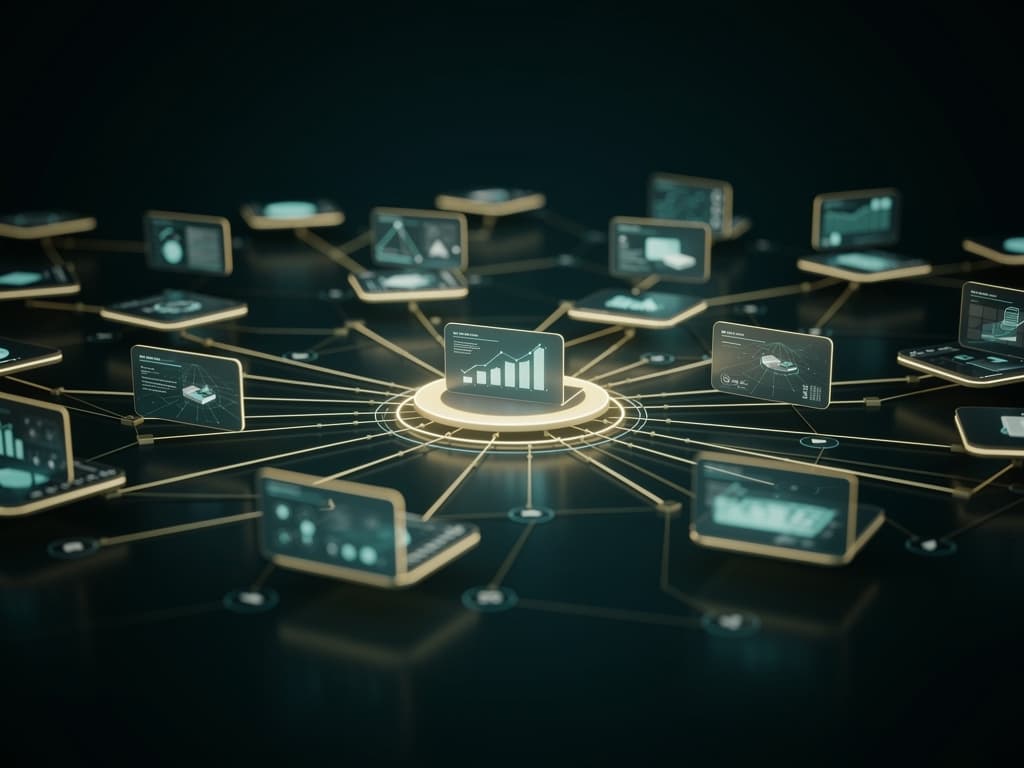
Most automation costs the same on the thousandth run as on the first. Auten gets cheaper and faster with use, because it remembers how it solved things. Two mechanisms make that possible: the screen graph and plan replay. This deep dive explains both, why they matter, and how the system stays correct as apps change.
The screen graph
Each screen is reduced to a fingerprint — a stable hash that deliberately ignores noise like clocks, badges, and scroll position, so the same logical screen always maps to the same fingerprint. Every action then records an edge: from this fingerprint, this action led to that fingerprint. Over time, each device builds a map of how its apps actually connect — a graph of screens and the actions that move between them.
Why fingerprints ignore noise
If the fingerprint changed every time a clock ticked or a badge count updated, no two visits to the same screen would match, and nothing could be reused. By canonicalizing away the volatile bits and keeping the structural ones, Auten recognizes "this is the inbox screen" whether you have 3 unread or 30 — which is what makes the graph useful.
Plan replay
When a task succeeds, Auten extracts a clean plan — the minimal sequence of actions that achieved the goal, with the dead ends, re-observations, and false starts stripped out. A similar task later replays that plan directly and deterministically, with no model call in the loop. This is where the dramatic speed-up comes from.
What you get from it
- Speed — repeat tasks run roughly 30x faster than the first time.
- Cost — cached replays are free; you only pay when the AI must think.
- Reliability — proven paths accumulate, so success rates climb with use.
- Consistency — deterministic replays do the same thing every time.
Fail-safe by design
How it stays correct as apps change
Apps ship updates that move things around. The fail-safe above is the key: a replay is only trusted while the screens it expects still match. The moment they do not, the system re-derives the plan with the full agent and replaces the stale one. You get the speed of caching without the brittleness that usually comes with it.
Why this is the real moat
Anyone can call a vision model in a loop. The durable advantage is the accumulated knowledge: the more a device is used, the better and cheaper it gets at the tasks you actually run. That compounding is what makes phone automation practical at scale rather than just impressive in a one-off demo. It is also why cost goes down over time instead of up.
Frequently asked questions
Does replay ever do the wrong thing after an app update?
It is guarded: a plan only replays while the screens it expects still match. On a mismatch, the agent re-solves and updates the plan, so it self-corrects.
Do replays cost anything?
No — cached replays run without an AI call, so they are free. You pay only when the agent has to reason about something new.
Is the learning shared across my devices?
Learning is tied to where it was observed, so each device builds knowledge of the apps it runs; common plans transfer when screens match.
Try Auten
Share this article